

The Nexus War, a pivotal conflict in the Wrath of the Lich King expansion of World of Warcraft, showcased the intense struggle between Dalaran and the Blue Dragonflight. Despite its significance, this war often receives less attention than it merits. Understanding the intricacies of this conflict reveals its impact on the lore and gameplay, highlighting the need for greater recognition of its importance.
What was the Nexus War and why was it significant?
The Nexus War was a crucial conflict between Dalaran and the Blue Dragonflight, driven by the machinations of Malygos, the Aspect of Magic.
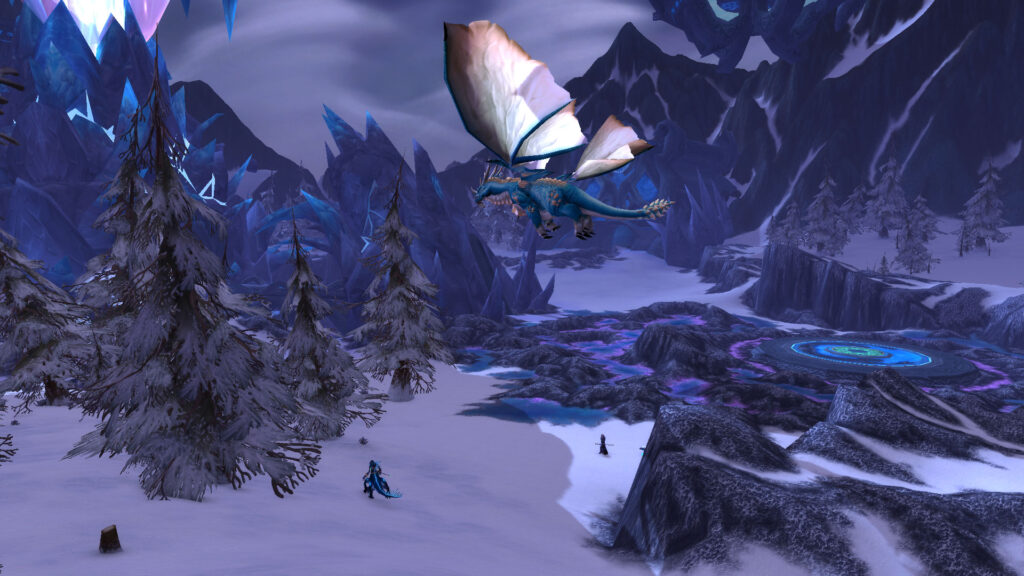
This war was significant as it represented a clash of ideologies regarding the use of magic. Malygos, fearing the misuse of arcane power, sought to eliminate those he deemed unworthy, including the mages of Dalaran. This conflict not only impacted the characters involved but also shaped the broader narrative of the expansion. The Nexus War illustrated the complexities of power, responsibility, and the consequences of unchecked ambition, making it a rich narrative thread that deserves deeper exploration.
The mechanics of the war involved various factions, including the Kirin Tor, who defended Dalaran, and the Blue Dragonflight, which sought to assert dominance over magic. Players engaged in numerous quests and encounters that highlighted the stakes of this conflict. The war’s resolution also set the stage for future events in the lore, particularly concerning the relationships between the dragonflights and mortal races. Understanding these dynamics is essential for appreciating the depth of the storyline and the motivations of key characters.
In gameplay terms, the Nexus War introduced unique mechanics and challenges that engaged players in the conflict. The inclusion of the Nexus dungeon and the Eye of Eternity raid provided opportunities for players to confront the Blue Dragonflight directly. These encounters not only tested players’ skills but also immersed them in the narrative, making the conflict feel personal and impactful. The Nexus War’s legacy continues to influence the game’s lore, underscoring its importance in the broader context of World of Warcraft.
How did the Nexus War unfold in the game?
The Nexus War unfolded through a series of quests and encounters that showcased the escalating conflict between Dalaran and the Blue Dragonflight.
Players were introduced to the Nexus War through a questline that began in Dalaran, where they were tasked with investigating the growing threat posed by Malygos and his followers. As players progressed, they encountered various factions aligned with the Blue Dragonflight, each with their own motivations and goals. The narrative unfolded through a combination of cinematic storytelling and in-game events, allowing players to experience the war’s evolution firsthand.
- Players start by accepting quests from the Kirin Tor in Dalaran, focusing on gathering intelligence about the Blue Dragonflight.
- As players progress, they engage in skirmishes against blue dragonkin, learning about Malygos’s plans and the consequences of his actions.
- Key encounters, such as the Nexus dungeon, offer players a chance to confront the Blue Dragonflight directly, culminating in battles against powerful lieutenants.
- The Eye of Eternity raid serves as the climax of the Nexus War, where players face Malygos himself, determining the fate of magic in Azeroth.
Throughout these encounters, players witnessed the impact of the war on the world around them. The stakes were high, with the balance of power in the magical realm hanging in the balance. The design of the dungeons and raids reflected the themes of the conflict, with visually stunning environments that emphasized the clash between arcane magic and the might of the dragons. This immersive experience allowed players to connect with the narrative on a deeper level, making the Nexus War a memorable part of the Wrath of the Lich King expansion.
What were the key characters involved in the Nexus War?
Key characters in the Nexus War included Malygos, the Aspect of Magic, and various leaders of the Kirin Tor, each playing a crucial role in the conflict.
Malygos’s transformation from a protector of magic to a tyrant seeking to control it was central to the war’s narrative. His actions were driven by a desire to protect magic from what he perceived as its misuse by mortals. This shift in his character added depth to the conflict, as players grappled with the moral implications of his choices. The leaders of the Kirin Tor, including notable figures like Rhonin and Jaina Proudmoore, represented the opposing force, advocating for the responsible use of magic and the protection of Dalaran.
| Character | Affiliation | Role in the War | Significance |
|---|---|---|---|
| Malygos | Blue Dragonflight | Antagonist | Seeks to control magic, leading to conflict with Dalaran. |
| Rhonin | Kirin Tor | Leader | Advocates for the responsible use of magic and defends Dalaran. |
| Jaina Proudmoore | Kirin Tor | Strategist | Plays a key role in rallying forces against the Blue Dragonflight. |
These characters not only drove the narrative forward but also embodied the themes of the Nexus War. Their interactions and conflicts highlighted the complexities of power and responsibility, making the war more than just a battle between factions. The character development throughout the conflict added emotional weight to the story, allowing players to invest in the outcomes of the war and its participants. This depth of character engagement is a hallmark of World of Warcraft’s storytelling and is a key reason why the Nexus War deserves more spotlight.
What were the broader implications of the Nexus War?
The Nexus War had significant implications for the lore of World of Warcraft, affecting the relationships between dragonflights and mortal races.

One of the most profound implications of the Nexus War was the shift in the balance of power among the dragonflights. Malygos’s defeat marked a turning point, leading to a reevaluation of the roles that dragons would play in the world. The conflict also highlighted the fragile nature of alliances, as the Kirin Tor and the Blue Dragonflight had previously shared a mutual respect for magic. The war’s outcome forced both sides to reconsider their positions and the potential for future conflicts.
Additionally, the Nexus War set the stage for future storylines, including the ongoing struggles between the various dragonflights and their interactions with mortals. The consequences of Malygos’s actions reverberated throughout the game’s lore, influencing subsequent expansions and character arcs. Players who engaged with the Nexus War found themselves part of a larger narrative tapestry, where their actions had lasting effects on the world of Azeroth. This interconnectedness is a hallmark of World of Warcraft’s storytelling, making the Nexus War a crucial chapter in the game’s history.
Understanding the broader implications of the Nexus War enriches the player’s experience and appreciation of the game’s lore. It emphasizes the importance of every conflict in shaping the world and the characters within it. As players continue to explore the rich narrative of World of Warcraft, the Nexus War remains a vital piece of the puzzle, deserving recognition and exploration in future content.
How can players engage with the legacy of the Nexus War today?
Players can engage with the legacy of the Nexus War through various in-game activities, lore exploration, and community discussions.
One of the most direct ways to engage with the legacy of the Nexus War is by revisiting the Nexus dungeon and the Eye of Eternity raid. These encounters not only provide a nostalgic experience for veteran players but also allow newcomers to witness the conflict’s impact firsthand. Additionally, players can explore the lore surrounding the Blue Dragonflight and the Kirin Tor through in-game books, quests, and dialogues, deepening their understanding of the war’s significance.
Community discussions and fan theories also play a crucial role in keeping the Nexus War’s legacy alive. Engaging with fellow players on forums, social media, and fan sites can lead to insightful conversations about the war’s implications and its characters. Players can share their experiences, theories, and interpretations of the conflict, fostering a sense of community and shared understanding. This collective engagement not only honors the legacy of the Nexus War but also enriches the overall experience of playing World of Warcraft.
What are the best practices for understanding the Nexus War’s impact?
Best practices for understanding the Nexus War’s impact include thorough exploration of lore, engaging with community discussions, and revisiting key encounters.
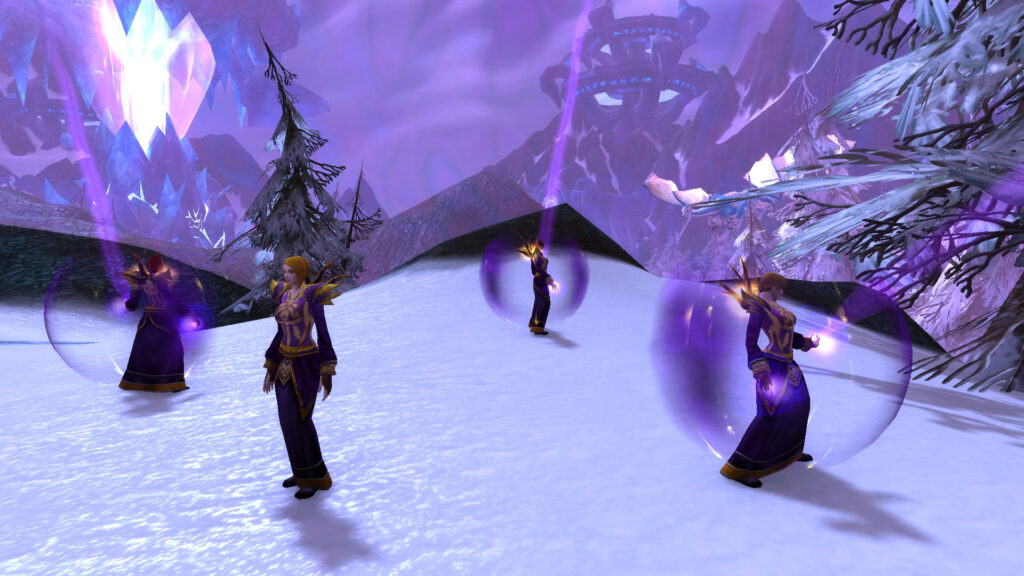
Players should prioritize exploring the lore surrounding the Nexus War, including reading quest texts, in-game books, and official lore sources. This foundational knowledge provides context for the events of the war and its characters, enhancing the overall narrative experience. Engaging with community discussions can also offer diverse perspectives and interpretations, enriching the understanding of the conflict’s significance.
Revisiting key encounters, such as the Nexus dungeon and the Eye of Eternity raid, allows players to experience the war’s climax firsthand. These encounters not only test players’ skills but also immerse them in the narrative, making the conflict feel personal and impactful. By combining lore exploration, community engagement, and gameplay experiences, players can fully appreciate the depth and importance of the Nexus War in the broader context of World of Warcraft.
Frequently Asked Questions
What motivated Malygos to start the Nexus War?
Malygos was motivated by a desire to protect magic from what he perceived as its misuse by mortals. His fear of the consequences of unchecked arcane power led him to declare war on the Kirin Tor and other magic users, believing that only by controlling magic could he ensure its survival.
How did the Nexus War affect the Blue Dragonflight?
The Nexus War significantly impacted the Blue Dragonflight, leading to Malygos’s defeat and a reevaluation of their role in the world. The war exposed the vulnerabilities of the dragonflights and set the stage for future conflicts and alliances among them, altering their relationships with mortals and each other.
What lessons can players learn from the Nexus War?
Players can learn valuable lessons about the consequences of power and responsibility from the Nexus War. The conflict illustrates the importance of understanding the implications of one’s actions and the need for balance in the use of magic, serving as a cautionary tale within the game’s rich narrative.