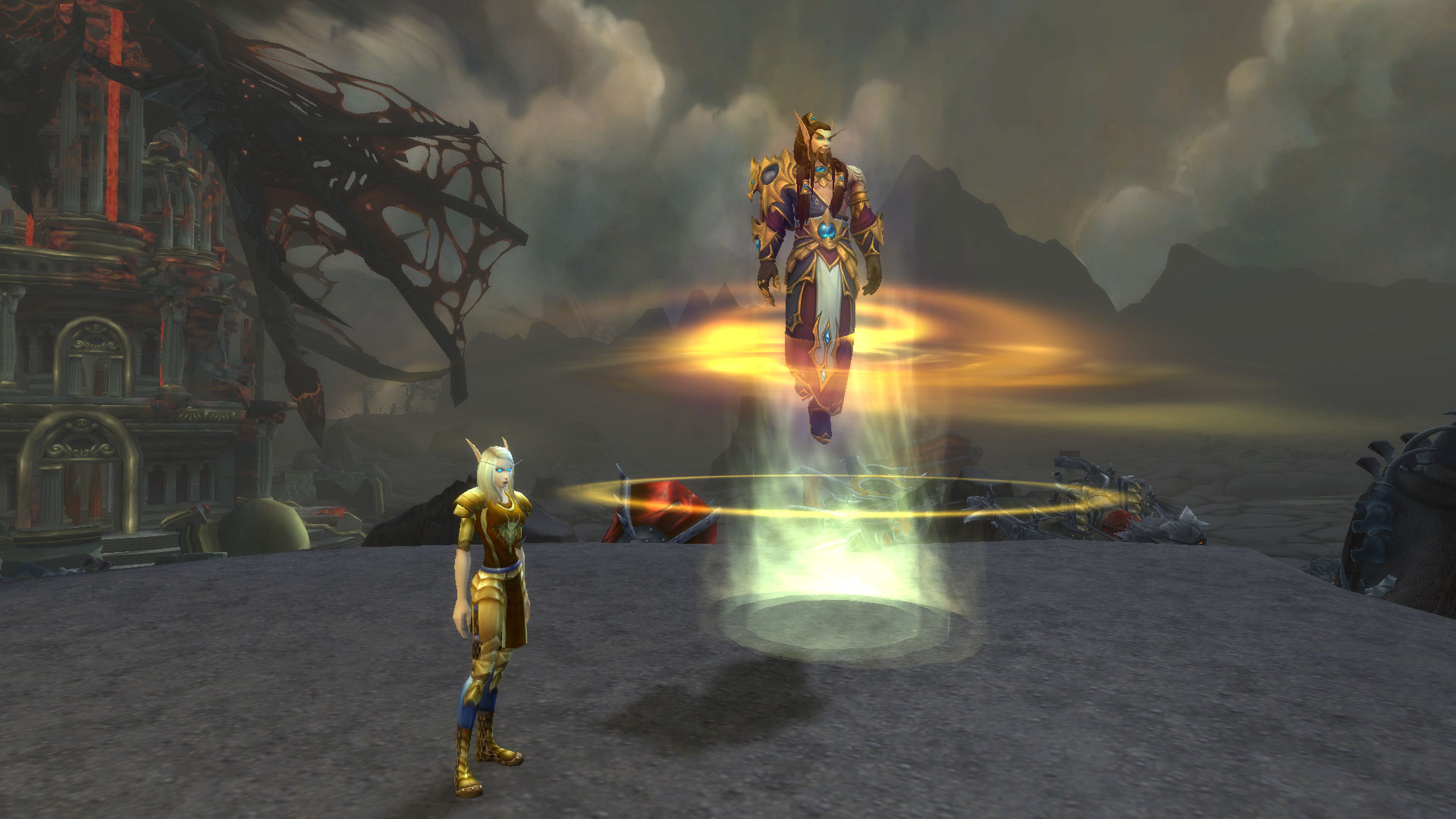
The “Hour of Twilight” dungeons in World of Warcraft’s Cataclysm expansion are often criticized for their rushed feel, despite their significant narrative role in setting up the climactic confrontation with the Old Gods. This guide explores the underlying reasons for this perception, examining the design choices, narrative pacing, and player experience that contributed to the dungeons feeling incomplete. Understanding these elements provides insight into the broader context of game development and storytelling in MMORPGs.
What Design Choices Contributed to the Rushed Feel of Hour of Twilight Dungeons?
The rushed feel of the Hour of Twilight dungeons stems from a combination of tight development timelines, narrative pacing issues, and gameplay mechanics that did not fully engage players.
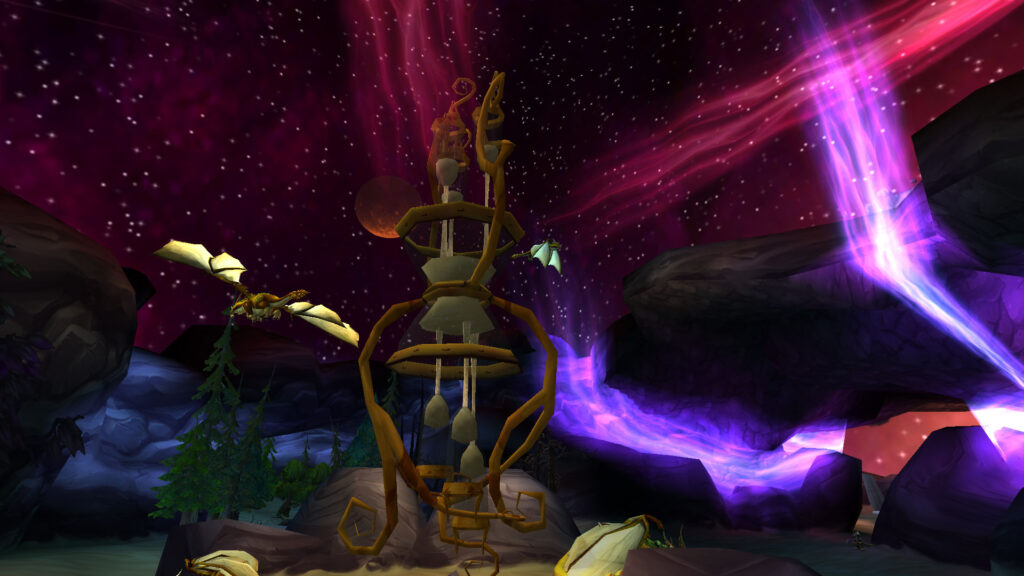
The design of the Hour of Twilight dungeons, including End Time, Well of Eternity, and Hour of Twilight itself, was influenced by Blizzard’s ambitious goals for Cataclysm. However, the need to meet deadlines led to a compromise in the depth of the dungeons. Players often felt that the encounters were not as polished or engaging as those in previous expansions, leading to a sense of disconnection from the overarching narrative. This rush was compounded by the introduction of new mechanics that were not fully fleshed out, making the dungeons feel more like a chore than an epic adventure.
- Focus on quick encounter design over immersive storytelling.
- Limited time for playtesting, resulting in unrefined mechanics.
- Inconsistent difficulty levels that disrupted player engagement.
- Overemphasis on nostalgia without integrating it into new content.
How Did Narrative Pacing Affect Player Experience in These Dungeons?
The narrative pacing in the Hour of Twilight dungeons felt disjointed, leading to a less impactful player experience and a failure to build tension for the final showdown.
The story arc leading to the confrontation with the Old Gods was rich with potential, but the pacing within the dungeons often felt rushed. Players were introduced to significant lore elements, such as the return of key characters and the unveiling of the Old Gods’ influence, but these moments were often overshadowed by the rapid progression through dungeon mechanics. This hurried storytelling prevented players from fully absorbing the lore, resulting in a lack of emotional investment in the climax of the expansion. Furthermore, the abrupt transitions between encounters left little room for players to reflect on the narrative developments.
For example, the encounter with Murozond in End Time was a pivotal moment that could have been a dramatic culmination of the storyline. However, the encounter’s execution felt more like a mechanical hurdle than a narrative climax. The lack of build-up and resolution diminished the emotional weight of the confrontation, leading players to feel that they were merely checking off a list of objectives rather than experiencing a cohesive story. This disconnect ultimately contributed to the perception that the dungeons were rushed and lacked the depth expected from a major expansion.
What Gameplay Mechanics Were Underdeveloped in Hour of Twilight Dungeons?
The gameplay mechanics in the Hour of Twilight dungeons were underdeveloped, leading to a lack of engagement and a feeling of repetitiveness among players.
Many of the mechanics introduced in the Hour of Twilight dungeons were innovative but lacked the refinement necessary for a satisfying player experience. For instance, the time-travel aspect in End Time was a unique concept that could have added depth to the gameplay. However, the execution felt shallow, with players often finding themselves repeating similar strategies across encounters without significant variation. This repetitiveness contributed to a sense of monotony, making the dungeons feel less like an epic journey and more like a grind.
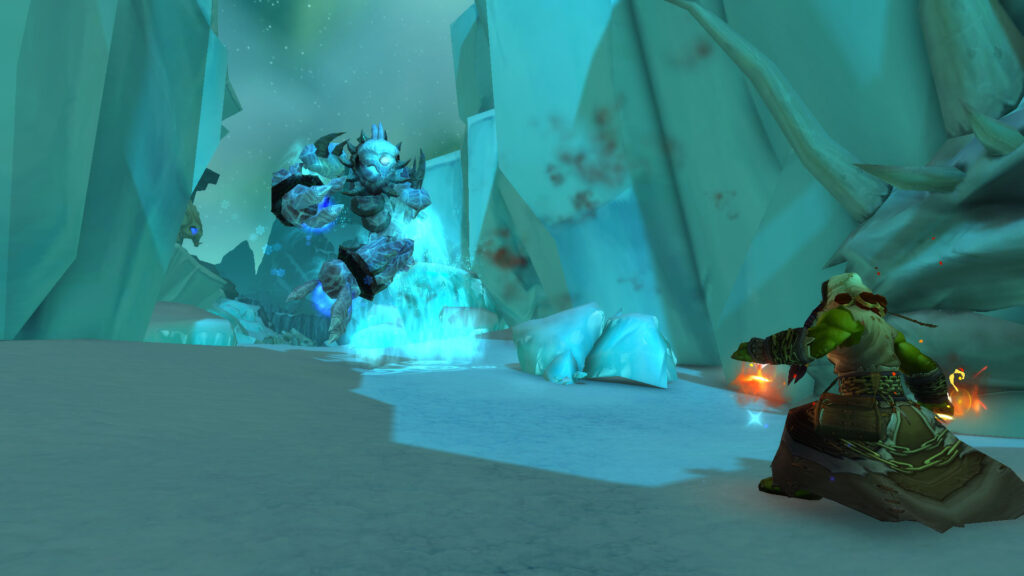
Moreover, the reliance on mechanics that required players to adapt quickly without sufficient explanation or tutorial led to frustration. Players often found themselves overwhelmed by the rapid pace of encounters, which detracted from their ability to appreciate the lore and story elements. The lack of diverse mechanics also meant that players did not feel challenged in a meaningful way, further diminishing their engagement with the content. As a result, many players completed the dungeons without a sense of accomplishment or satisfaction, reinforcing the perception that the dungeons were rushed and lacked depth.
What Key Elements Were Missing from the Hour of Twilight Dungeons?
Several key elements were missing from the Hour of Twilight dungeons, including cohesive storytelling, refined gameplay mechanics, and emotional engagement.
The following table summarizes the critical elements that contributed to the rushed feel of the Hour of Twilight dungeons. Understanding these missing components can provide insights into how future content can be improved to enhance player experience and narrative depth.
| Element | Impact on Gameplay | Player Feedback | Potential Improvements |
|---|---|---|---|
| Cohesive Storytelling | Disjointed narrative flow | Lack of emotional investment | Integrate lore more seamlessly |
| Refined Gameplay Mechanics | Repetitive encounter strategies | Frustration with mechanics | Develop diverse mechanics |
| Emotional Engagement | Low player satisfaction | Feeling of monotony | Enhance character arcs |
How Did Environmental Design Influence Player Experience?
The environmental design of the Hour of Twilight dungeons played a significant role in shaping player experience, often detracting from immersion.
The environments in the Hour of Twilight dungeons, while visually impressive, often lacked the intricate details and interactivity that enhance immersion. Players found that the settings, although thematically appropriate, did not offer enough environmental storytelling to draw them into the narrative. For example, the Well of Eternity had stunning visuals but felt like a backdrop rather than an integral part of the story. This disconnect made it difficult for players to feel fully engaged with the unfolding events.
Additionally, the linear design of the dungeons limited exploration and discovery, which are crucial elements in MMORPGs. Players were often funneled through specific paths without the opportunity to engage with the environment meaningfully. This lack of exploration contributed to a feeling of confinement, further exacerbating the perception that the dungeons were rushed. To improve future dungeon designs, incorporating more interactive elements and allowing for player agency in exploration could significantly enhance the overall experience.
What Metrics Can Be Used to Evaluate the Success of Dungeon Design?
Metrics such as player engagement, completion rates, and feedback can be used to evaluate the success of dungeon design in MMORPGs.
To assess the effectiveness of dungeon design, developers can utilize various metrics that provide insight into player experiences. Player engagement can be measured through time spent in dungeons, the number of attempts to complete encounters, and the frequency of group formations. High engagement levels typically indicate that players find the content enjoyable and challenging. Completion rates also serve as a critical metric; low completion rates may suggest that players are struggling with mechanics or that the content is perceived as uninteresting.
Player feedback, gathered through surveys and community discussions, offers qualitative insights into the player experience. Analyzing this feedback can help developers identify specific pain points and areas for improvement. Additionally, tracking player retention rates after the release of new dungeons can indicate whether the content successfully retains players’ interest over time. By focusing on these metrics, developers can refine their approach to dungeon design, ensuring that future content resonates with the player base.
What Expert Recommendations Can Enhance Future Dungeon Design?
Experts recommend focusing on cohesive storytelling, refined mechanics, and player engagement to enhance future dungeon design.
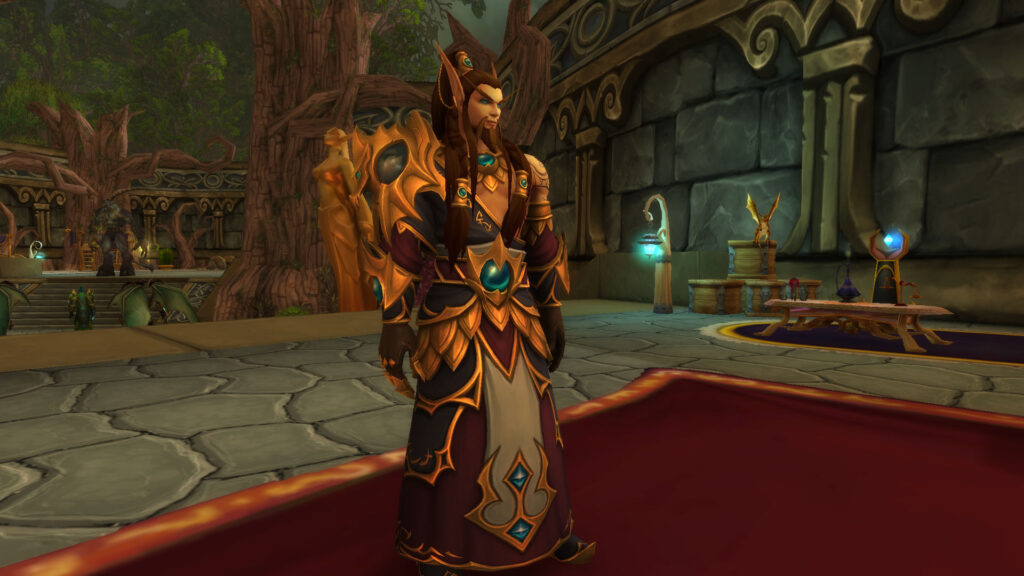
To improve the quality of future dungeons, developers should prioritize cohesive storytelling that integrates lore seamlessly into gameplay. This can be achieved by creating narrative arcs that players can engage with throughout their experience, rather than relegating story elements to cutscenes or dialogue. Additionally, refining gameplay mechanics to ensure they are both challenging and rewarding will enhance player satisfaction. This includes providing clear tutorials and feedback for new mechanics, allowing players to adapt and strategize effectively.
Furthermore, fostering player engagement through environmental design and exploration opportunities can significantly enhance the overall experience. Developers should consider incorporating interactive elements and allowing players to make meaningful choices within the dungeon environment. By focusing on these recommendations, future dungeon content can provide a more immersive and satisfying experience, addressing the shortcomings observed in the Hour of Twilight dungeons.
Frequently Asked Questions
Why did players feel the Hour of Twilight dungeons were rushed?
Players felt the Hour of Twilight dungeons were rushed due to tight development timelines that compromised the depth and polish of the content. The narrative pacing was disjointed, and gameplay mechanics were underdeveloped, leading to a lack of engagement and emotional investment.
What specific design choices contributed to the rushed feel?
Design choices such as a focus on quick encounter design, limited playtesting, and inconsistent difficulty levels contributed to the rushed feel. These elements resulted in encounters that felt unrefined and less engaging compared to previous expansions.
How did narrative pacing impact the player experience?
Narrative pacing impacted player experience by failing to build tension and emotional investment in the story. Key moments were overshadowed by rapid progression through encounters, leading to a disconnection from the overarching narrative.
What can developers learn from the Hour of Twilight dungeons?
Developers can learn the importance of cohesive storytelling, refined gameplay mechanics, and player engagement from the Hour of Twilight dungeons. By focusing on these elements, future dungeon content can provide a more immersive and satisfying experience for players.